
Alfred Hitchcock
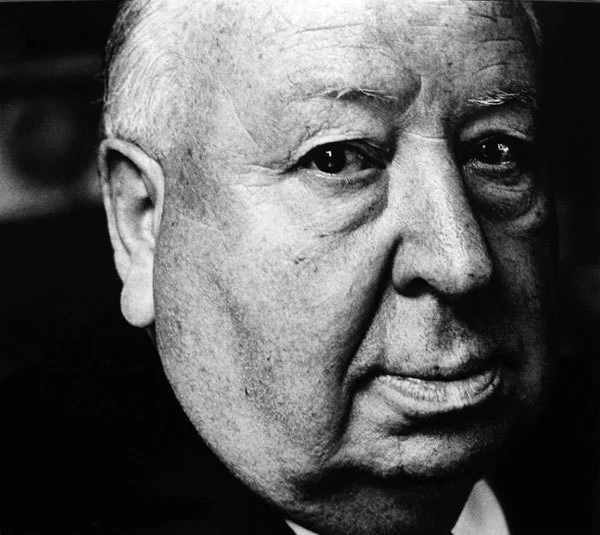
Image from Wikipedia
Image from Wikipedia
Alfred Hitchcock: The Master of Suspense and Architect of the Modern Thriller
A director who redefined fear, tension, and imagery
Alfred Hitchcock is considered one of the most influential film directors in cinema history. The British author, producer, film editor, and screenwriter left an indelible mark on cinema with a distinctive style that not only told suspenseful stories but staged them meticulously. His career spanned more than six decades and produced over fifty feature films that are still regarded as benchmarks for the thriller genre. ([alfredhitchcock.com](https://www.alfredhitchcock.com/life))
Born on August 13, 1899, in Leytonstone near London, Hitchcock grew up in modest circumstances and developed an early sense of control, observation, and moral ambivalence. These themes later became cornerstones of his work. He moved to the USA in 1939 and became a naturalized citizen in 1955. ([en.wikipedia.org](https://en.wikipedia.org/wiki/Alfred_Hitchcock?utm_source=openai))
Early Years: From Title Card Designer to Visionary Director
Hitchcock's entry into the film industry began in 1920 at Famous Players-Lasky, where he initially designed title cards and learned the mechanics of the medium from the ground up. This early phase sharpened his eye for timing, visual economy, and the significance of precise image composition. Even in these early years, the foundation was laid for a career where every detail was charged with dramatic impact. ([alfredhitchcock.com](https://www.alfredhitchcock.com/life))
He made his directorial debut in 1925 with The Pleasure Garden. By 1927, with The Lodger: A Story of the London Fog, he showcased the psychological tension that would later become his trademark. The film established the groundwork for Hitchcock's reputation as a master of atmospheric threat and an unsettling gaze at everyday life. ([alfredhitchcock.com](https://www.alfredhitchcock.com/life))
The British Breakthrough: Sound, Innovation, and Narrative Control
With Blackmail, Hitchcock achieved a significant milestone in the development of British cinema in 1929; the film is regarded as the first British sound film. In the following years, he established himself as a director who combined formal experimentation with audience-friendly suspense. His works from this time already demonstrate how heavily he relied on precise arrangement, visual guidance, and controlled escalation. ([alfredhitchcock.com](https://www.alfredhitchcock.com/life))
The international breakthrough came in 1934 with The Man Who Knew Too Much. From this moment, Hitchcock shaped the thriller as an independent art form, where threat often arises from seemingly trivial situations. This blend of everyday life and existential danger made his films so impactful and influential. ([alfredhitchcock.com](https://www.alfredhitchcock.com/life))
Hollywood and the Birth of Modern Suspense
With Rebecca, Hitchcock released his first American film in 1940, which also marked his only Oscar win for Best Picture. Critics praised the film for its gothic atmosphere, brooding tension, and artistic direction. This proved that Hitchcock not only arrived in Hollywood but also reshaped the studio system according to his own rules. ([editorial.rottentomatoes.com](https://editorial.rottentomatoes.com/guide/alfred-hitchcock-movies-ranked))
In the 1950s, his work reached a particularly dense and productive phase. Films like Rear Window, Strangers on a Train, North by Northwest, and Vertigo exemplify his mastery of visual direction, symbolic space, and psychological escalation. The Academy of Motion Picture Arts and Sciences highlights especially the years between 1958 and 1963, during which Hitchcock produced four of his most influential films. ([oscars.org](https://www.oscars.org/collection-highlights/alfred-hitchcock))
The Great Turning Point: Psycho, The Birds, and the Boundaries of Cinema
Psycho in 1960 profoundly changed mainstream cinema. The film is seen as a radical intervention in the narrative logic of horror, as Hitchcock systematically destroys expectations and builds tension with razor-sharp precision. The Academy describes the film as a work that not only influenced modern horror cinema but in a sense also legitimized it. ([oscars.org](https://www.oscars.org/collection-highlights/alfred-hitchcock))
With The Birds from 1963, Hitchcock took things further, pushing the boundaries of discomfort towards existential threat. Both films showcase his ability to blend popular entertainment with formal radicalism. The marketing presentation of his works also became part of his myth, contributing to the immense cultural presence of his name. ([oscars.org](https://www.oscars.org/collection-highlights/alfred-hitchcock))
Filmography, Recurring Motifs, and Artistic Control
Hitchcock's overall body of work includes 53 feature films; other sources refer to more than sixty works when counting television contributions and early projects. His central motifs revolve around fear, guilt, and loss of identity. He repeatedly varied the motif of the innocently pursued, making his films feel like variations on a grand, dark theme. ([en.wikipedia.org](https://en.wikipedia.org/wiki/Alfred_Hitchcock?utm_source=openai))
Recurring concepts also include "suspense" and "MacGuffin", both of which Hitchcock decisively shaped in modern thriller dramaturgy. The MacGuffin acts as the trigger for the plot without itself being the actual center of focus; the suspense effect, on the other hand, derives from knowledge, delay, and the precise control of expectations. Hitchcock placed great emphasis on artistic control and complete authority over his works. ([en.wikipedia.org](https://en.wikipedia.org/wiki/Alfred_Hitchcock?utm_source=openai))
Critical Reception and Cultural Impact
Hitchcock's films are significant both in terms of audience success and critical acclaim in film history. Rotten Tomatoes describes Rebecca as a tour de force of gothic atmosphere and notes the stylistic impact of North by Northwest for later action thrillers. This timeless influence explains why Hitchcock remains a reference point across generations. ([editorial.rottentomatoes.com](https://editorial.rottentomatoes.com/guide/alfred-hitchcock-movies-ranked))
The academic and publishing engagement with his work is also extraordinarily broad. Columbia University Press describes Hitchcock as a rare figure who achieved both high artistic reputation and enduring popularity with mainstream audiences. This duality makes his cultural impact so unique: sophisticated yet immediately accessible, artistic and yet effective in reaching the public. ([cup.columbia.edu](https://cup.columbia.edu/book/the-films-of-alfred-hitchcock/9780231565004/?utm_source=openai))
Self-Presentation, Branding, and Public Icon
Hitchcock was not only a filmmaker but also a master of self-promotion. His distinctive silhouette, cameos, and public persona made him a figure known well beyond cinema. The official website emphasizes that his work is so deeply embedded in pop culture that even everyday items like birds, trains, or shower curtains evoke immediate associations. ([alfredhitchcock.com](https://www.alfredhitchcock.com/life))
The official Hitchcock site also points out that today his legacy continues through the Alfred Hitchcock Estate, as well as on Instagram and Facebook channels. This underscores how strongly his brand remains present decades after his death. For a director who revolutionized the perception of suspense, this lasting visibility seems almost inevitable. ([alfredhitchcock.com](https://www.alfredhitchcock.com/))
Current Releases and Projects
Since Alfred Hitchcock passed away in 1980, there are no new artistic projects, albums, or current releases of his own work. The current presence is created through restorations, archive releases, anniversary editions, and cultural reuse of his films. Official and press-related entries show that his works continue to be present in special editions, retrospectives, and curated collections. ([facebook.com](https://www.facebook.com/AlfredHitchcockOfficial/))
Conclusion: Why Alfred Hitchcock Continues to Fascinate Today
Alfred Hitchcock remains compelling because he understood cinema as a precise machine of emotion. He shaped suspense, fear, and desire into a universal cinematic language, creating works that are both popular and analytical, as well as stylistically influential. To understand how the modern thriller works, one cannot overlook Hitchcock. ([alfredhitchcock.com](https://www.alfredhitchcock.com/life))
His films continue to challenge today because they not only entertain the audience but actively pull them into a vortex of tension. This is where his greatness lies: Hitchcock doesn't just stage stories; he stages a state of being. Those who experience the density of his work live, in cinemas or at carefully restored screenings, feel why his name has long become a category of its own. ([oscars.org](https://www.oscars.org/collection-highlights/alfred-hitchcock))
Official Channels of Alfred Hitchcock:
- Instagram: https://www.instagram.com/alfredhitchcockofficial/
- Facebook: https://www.facebook.com/AlfredHitchcockOfficial/
- YouTube: No official profile found
- Spotify: No official profile found
- TikTok: No official profile found
Sources:
- Wikipedia: Alfred Hitchcock – Image and Text Source
- Alfred Hitchcock Estate – Official Website
- Alfred Hitchcock – Life
- Alfred Hitchcock – Filmography
- Oscars.org – Alfred Hitchcock
- Rotten Tomatoes – Alfred Hitchcock Movies, Ranked
- Columbia University Press – The Films of Alfred Hitchcock
- Facebook – AlfredHitchcockOfficial