
Martin Schoeller
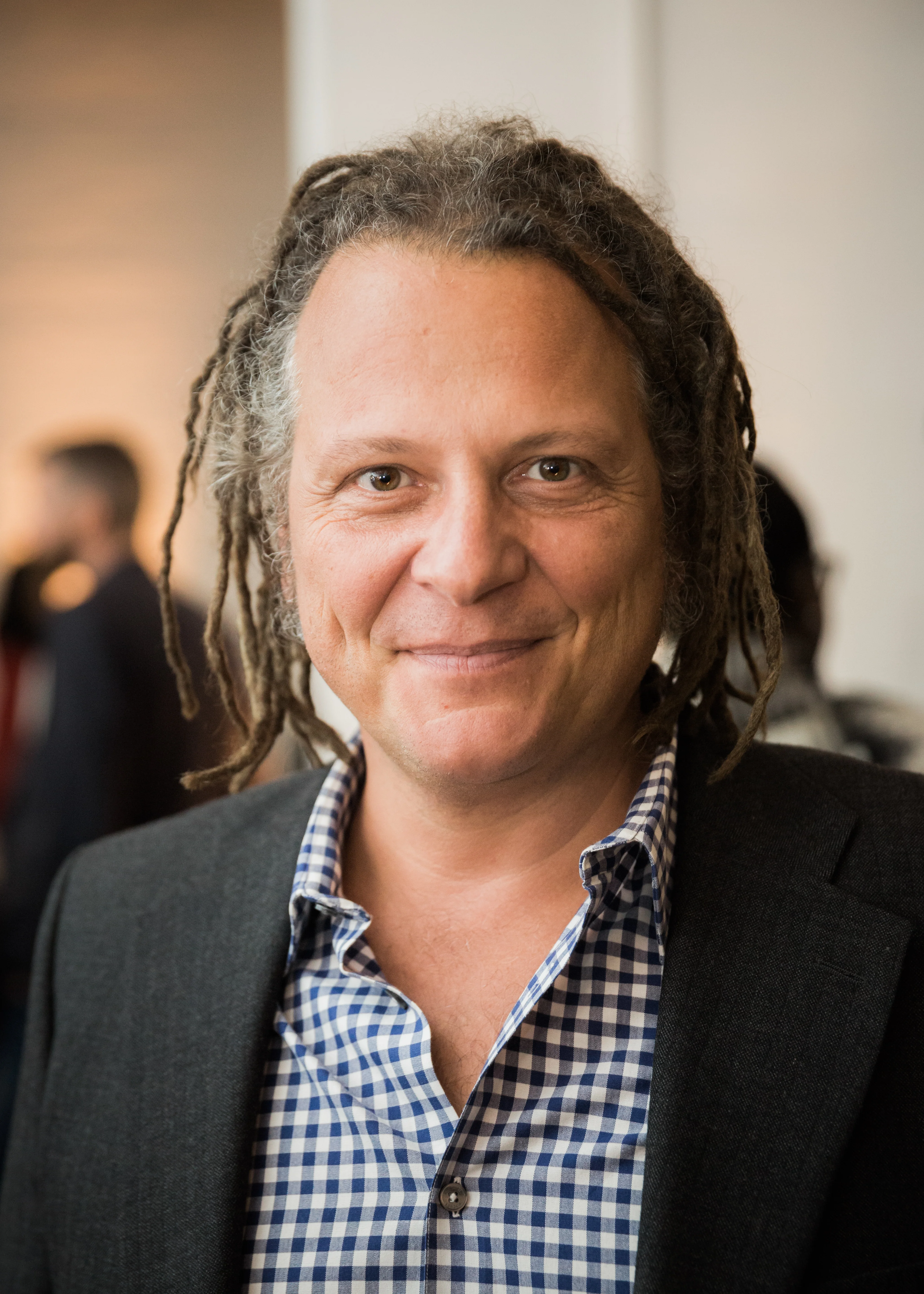
Image from Wikipedia
Image from Wikipedia
Martin Schoeller: The Master of Radical Close-Ups and Democratic Portraits
A German Photographer Who Transforms Faces into Stories
Martin Schoeller, born on April 12, 1968, in Munich, is one of the defining portrait photographers of his generation. His work is characterized by extreme proximity, precise lighting, and a visual language that treats stars, activists, indigenous people, the homeless, and historical witnesses with the same visual dignity. This consistent approach has turned his artistic development into an international success story. ([de.wikipedia.org](https://de.wikipedia.org/wiki/Martin_Schoeller?utm_source=openai))
Talking about Martin Schoeller means discussing more than just classic portrait photography. It refers to a visual language that demystifies prominence, reveals personality, and transforms the surface of the well-known face into a psychological document. His career began in Germany, took him through training at the Lette Verein in Berlin, and then led him to New York, where he made his way into the major magazines, museums, and galleries of contemporary times. ([munzinger.de](https://www.munzinger.de/register/portrait/biographien/Martin%2BSchoeller/00/33155?utm_source=openai))
Biography: From Munich to New York
Schoeller studied photography at the Lette Verein and moved to New York in the 1990s, where he built his career. Prior to that, he underwent a solid photographic education in Germany before being drawn to the metropolis with its media and magazine culture, placing him at the forefront of international portraiture. There, he also worked as an assistant to Annie Leibovitz, a crucial step toward entering the top tier of image makers. ([munzinger.de](https://www.munzinger.de/register/portrait/biographien/Martin%2BSchoeller/00/33155?utm_source=openai))
The early influence of August Sander, along with Bernd and Hilla Becher, is clearly felt in his work. Schoeller thinks in typologies, series, and the equality of human images rather than merely staging individual stars. His portraits rely on comparability and openness rather than distance and glamour. This is precisely where the intellectual strength of his photography lies. ([martinschoeller.com](https://martinschoeller.com/ABOUT/Kirk-Bloodsworth-1?utm_source=openai))
Career: Breaking Through with Close-Ups
Schoeller experienced his artistic breakthrough with extreme close-ups that distinctly set themselves apart from typical celebrity photography. An early shot of Vanessa Redgrave from 1998 is considered an image that co-founded his signature style, while his work for Time Out New York and later for The New Yorker solidified his position in the international magazine market. His focus on the face, approaching the bounds of intimacy, became his trademark. ([time.com](https://time.com/3812053/the-photo-that-made-me-martin-schoeller-new-york-1998/?utm_source=openai))
For The New Yorker, Schoeller worked for years as a staff photographer, portraying a wide range of personalities from Barack Obama to Lady Gaga. His images also appeared in TIME, National Geographic, Vanity Fair, GQ, Rolling Stone, and The New York Times Magazine. This presence in the leading contemporary publications explains why his name has long stood for a distinct visual school. ([newyorker.com](https://www.newyorker.com/culture/photo-booth/martin-schoeller-portraits?utm_source=openai))
Works and Series: Close Up, Homeless, Survivors
Particularly impactful is his series Close Up, where Schoeller consistently photographs his subjects at eye level, creating an unusual visual equality. Whether heads of state, actors, athletes, or people without public visibility: all appear in the same light, with the same formal rigor and dignity. This method transforms the portrait into a cultural statement about recognition and perspective. ([martinschoeller.com](https://martinschoeller.com/ABOUT/Kirk-Bloodsworth-1?utm_source=openai))
His projects on homelessness, death row exonerees, and Holocaust survivors also demonstrate that Schoeller perceives portrait photography as a social responsibility. For Homeless, he collaborated with the Hollywood Food Coalition, photographing and interviewing more than three hundred people; the series was also told through Instagram. In Survivors, he focuses on the faces of Holocaust survivors, connecting memory culture with a calm, concentrated visual language. ([martinschoeller.com](https://martinschoeller.com/Keya?utm_source=openai))
Style: Precision, Equality, and Psychological Tension
Martin Schoeller's style is formally strict yet emotionally charged. The camera is close to the subject, the light models every contour, and the composition avoids decorative distraction. As a result, a portrait emerges that not only depicts a face but exposes presence, posture, and vulnerability. ([martinschoeller.com](https://martinschoeller.com/ABOUT/Kirk-Bloodsworth-1?utm_source=openai))
His method is never merely technical virtuosity. It is an aesthetic decision with ethical consequences: the human is not reduced to status but made readable as an individual. This is exactly why his images feel democratic, even when targeting internationally famous personalities. Schoeller does not just photograph faces; he negotiates visibility. ([martinschoeller.com](https://martinschoeller.com/ABOUT/Kirk-Bloodsworth-1?utm_source=openai))
Current Projects and Exhibitions
From 2024 to 2026, Schoeller remains productive and present. His official website documents, among other things, the documentary film premiere We All Bleed Red at DOC NYC 2024, a talk for the Choose Creativity Awards, as well as international stops such as the House of Lucie in Koh Samui and the Lucie Awards 2025. This overview shows an artist who consistently intertwines photography, talk formats, exhibition contexts, and moving images. ([martinschoeller.com](https://martinschoeller.com/Exhibition-Talks?utm_source=openai))
This is complemented by projects such as Power to the Patients, Death Row Exonerees, and ongoing work on portrait series that are exhibited in galleries and institutions. The current visibility of his work underscores that Schoeller cannot be reduced to a nostalgic retrospective. His oeuvre remains in flux, both in content and form. ([martinschoeller.com](https://martinschoeller.com/Exhibition-Talks?utm_source=openai))
Critical Reception and Cultural Influence
For years, the international press has described Schoeller as one of the most important portrait photographers ever. Time, National Geographic, and The New Yorker emphasize the recognizable form of his close-ups and the impact of his images on contemporary portrait photography. It is particularly noted that he treats stars and non-stars with the same attention, thereby shaping a new image of prominence and humanity. ([time.com](https://time.com/3595470/from-zuckerberg-to-tarantino-see-martin-schoellers-portraits/?utm_source=openai))
His cultural influence extends beyond art photography. The Nike campaign with Colin Kaepernick garnered him wide recognition and prestigious awards such as the D&AD Black Pencil and the Outdoor Grand Prix in Cannes. His works are also held in significant collections, including the National Portrait Gallery of the Smithsonian and the Museo Jumex. This shows that Schoeller is not just a magazine photographer but a defining authority of visual culture. ([martinschoeller.com](https://martinschoeller.com/ABOUT/Kirk-Bloodsworth-1?utm_source=openai))
Catalog of Works Instead of Discography: Monographs, Series, and Cycles of Images
As Martin Schoeller is a photographer and not a musician, he does not have a discography in the classical sense. His artistic work is organized through series, monographs, and long-term projects such as Portraits, Close Up, Homeless, Female Bodybuilders, Death Row Exonerees, and Holocaust Survivors. This structure gives his oeuvre the coherence of a carefully composed album, only in images instead of songs. ([martinschoeller.com](https://martinschoeller.com/Monographs?utm_source=openai))
His monographs and exhibitions document a continuous artistic development. The work combines documentary precision with the formal strength of an iconic portrait, creating a visual language that is instantly memorable. Anyone looking at Schoeller's work quickly realizes: This is not about fleeting effects, but about sustainable visual authority. ([martinschoeller.com](https://martinschoeller.com/Monographs?utm_source=openai))
Conclusion: Martin Schoeller fascinates because he transforms the portrait into an art of authenticity. His closeness to people, his technical discipline, and his societal perspective make him one of the most important photographers of our time. Those who experience his work live in an exhibition understand immediately why his images resonate for so long. ([martinschoeller.com](https://martinschoeller.com/ABOUT/Kirk-Bloodsworth-1?utm_source=openai))
Official Channels of Martin Schoeller:
- Instagram: https://www.instagram.com/martinschoeller/
- Facebook: https://www.facebook.com/martinschoellerstudio
- YouTube: No official profile found
- Spotify: No official profile found
- TikTok: No official profile found
Sources:
- Martin Schoeller - Official Website
- Martin Schoeller - About
- Martin Schoeller - Contact
- Martin Schoeller - Exhibitions + Talks
- Martin Schoeller - Monographs
- The Lucie Awards - Official Website
- The Lucie Awards - FAQ
- National Geographic - Martin Schoeller on Intimate Portraiture
- TIME - From Zuckerberg to Tarantino, See Martin Schoeller's Portraits
- TIME - The Photo That Made Me: Martin Schoeller, New York 1998
- The New Yorker - Martin Schoeller's Portraits
- Wikipedia: Image and Text Source
Upcoming Events
Martin Schoeller - Drag Queens and other Stories