
Richard O’Brien
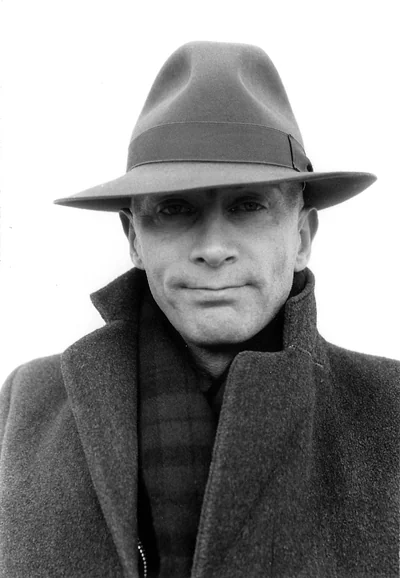
Image from Wikipedia
Image from Wikipedia
Richard O’Brien – The Architect of "The Rocky Horror Show"
A British cult author, actor, and composer who created a global phenomenon from glam rock, B-movie aesthetics, and theatrical imagination
Richard O’Brien, born on March 25, 1942, in Cheltenham as Richard Timothy Smith, is one of the defining boundary crossers between musical theater, pop culture, and cult cinema. As an author, composer, and performer, he wrote The Rocky Horror Show, a work that has grown far beyond the stage and remains a reference point for rock musicals, camp aesthetics, and subversive entertainment to this day. The film adaptation, The Rocky Horror Picture Show, additionally made him internationally known and permanently anchored his name in music and film history. ([de.wikipedia.org](https://de.wikipedia.org/wiki/Richard_O%E2%80%99Brien?utm_source=openai))
Early Years and Artistic Influence
O’Brien's path did not lead straight into the high arts but rather through touring theater and the vibrant pop landscape of the early 1970s. Before his major breakthrough, he participated in touring productions of Hair and Jesus Christ Superstar, where he gained the stage experience that would later influence his own artistic language. The blend of theatrical practice, ironic elevation, and a love for rock music laid the foundation for his distinctive style. ([de.wikipedia.org](https://de.wikipedia.org/wiki/Richard_O%E2%80%99Brien?utm_source=openai))
Crucial was his ability to merge musical and visual influences into a cohesive universe. Wikipedia and music databases note that during the development of The Rocky Horror Show, he drew inspiration from horror films of the 1950s and 1960s, science fiction, comics, and rock ‘n’ roll. This mix of nostalgia, parody, and pop-cultural exaggeration gave the work an energy that clearly surpassed the musical theater of his time. ([de.wikipedia.org](https://de.wikipedia.org/wiki/Richard_O%E2%80%99Brien?utm_source=openai))
The Breakthrough with "The Rocky Horror Show"
When O’Brien developed The Rocky Horror Show, he created not just a musical but a cultural manifesto. The production was initially conceived as a concentrated, playfully dark homage to the trash of classic cinema, but it quickly became a global success. The work earned him a reputation as a creative outsider who revitalized musical theater with glam rock impulses, sharpened humor, and intentional rule-breaking. ([de.wikipedia.org](https://de.wikipedia.org/wiki/Richard_O%E2%80%99Brien?utm_source=openai))
The international breakthrough came in 1975 with the film adaptation The Rocky Horror Picture Show, in which O’Brien played the role of Riff Raff. The film not only became a box office hit but also evolved into one of the most enduring cult films in pop history, with midnight screenings and fan communities keeping the work alive for decades. Data shows that O’Brien was responsible for the music, book, and core idea of the piece – a rare case of comprehensive authorship in the musical realm. ([de.wikipedia.org](https://de.wikipedia.org/wiki/Richard_O%E2%80%99Brien?utm_source=openai))
Film, Television, and the Expansion of the Cult Figure
After the success of Rocky Horror, O’Brien remained visible in film and television, often in smaller roles that capitalized on his distinctive presence. He appeared in Shock Treatment, the sequel idea to the Rocky Horror universe, as well as in other productions like Flash Gordon, Dark City, and Dungeons & Dragons. His career showcases a rare dual role: he was not only the creator of a work but also its visible face. ([de.wikipedia.org](https://de.wikipedia.org/wiki/Richard_O%E2%80%99Brien?utm_source=openai))
He also enhanced his profile as a host and voice artist. In pop culture, he was utilized for British television formats and later as a voice in animated productions, which extended his presence beyond traditional musical audiences. This versatility contributed to Richard O’Brien being seen not only as the author of Rocky Horror, but as a stand-alone cult figure. ([de.wikipedia.org](https://de.wikipedia.org/wiki/Richard_O%E2%80%99Brien?utm_source=openai))
Discography and Musical Signature
O’Brien's discography is closely tied to The Rocky Horror Show. On Spotify, he is featured as an interpreter of songs like “Science Fiction / Double Feature”, “Once in a While”, and in the iconic “Time Warp” tradition; moreover, the Original Australian Cast Recording from 1974 is noted as an early release point. These recordings exhibit the raw, theatrical energy of his music: catchy melodies, ironic lyrics, and a notable inclination towards flamboyant rock theater. ([open.spotify.com](https://open.spotify.com/track/0guatjUrsIlTRor7Ro14Uz?utm_source=openai))
Later, O’Brien also released standalone projects such as Absolute O’Brien (1999). AllMusic notes that he continued to further his blend of songwriting, stage persona, and musical self-reflection with the piece Disgracefully Yours and later with the album. His discography may be small, but it is stylistically influential: it documents less a classic pop career model and more the consistent work on his own mythology. ([allmusic.com](https://www.allmusic.com/artist/richard-obrien-mn0000852001?utm_source=openai))
Current Releases and Ongoing Relevance
Even decades after his initial success, O’Brien's work remains active. On his Bandcamp page, The Rocky Horror Show - Original Demos (50th Anniversary Edition) is listed as a release; the description emphasizes that the songs originally emerged in a London apartment, documenting the early, intimate core of the later global success. This edition foregrounds the creation process and makes the creative raw form of the myth audible. ([richardobrien.bandcamp.com](https://richardobrien.bandcamp.com/album/the-rocky-horror-show-original-demos-50th-anniversary-edition?utm_source=openai))
Furthermore, the musical itself continues to have a presence on stage: The official Broadway database IBDB still lists The Rocky Horror Show as an ongoing production with a date from 2026 to 2027, naming Richard O’Brien as the author of the music and book. This underscores that his work has not become a museum piece, but continues to be reinterpreted on major stages. ([ibdb.com](https://www.ibdb.com/broadway-cast-staff/richard-obrien-8321?utm_source=openai))
Critical Reception and Cultural Influence
The critical and audience perception of O’Brien is closely associated with the term "cult." Music press and expert sources often describe him as the creator of a borderline case between Broadway, glam rock, and B-movie homage; it is precisely this blend that made The Rocky Horror Show a lasting favorite. The success lies less in traditional chart dominance and more in its extraordinary long-term impact: the work has been received, quoted, and performed across generations. ([allmusic.com](https://www.allmusic.com/artist/richard-obrien-mn0000852001?utm_source=openai))
From a cultural-historical perspective, O’Brien is also significant. His musical opened up space for androgyny, irony, camp, and the deliberate exaggeration of genre clichés – themes that later became influential for many music and theater cultures. That Rocky Horror has been performed worldwide for over 50 years in more than 30 countries demonstrates the reach of this aesthetic model and the enduring relevance of O’Brien’s signature. ([trafalgarentertainment.com](https://www.trafalgarentertainment.com/trafalgar-theatre-productions/current-productions/?utm_source=openai))
The Style of Richard O’Brien
O’Brien's artistic style combines dramatic economy with sharp wit and a deep love for the surfaces of pop culture. His compositions rely on clear hook lines, theatrical crescendos, and a consciously performative engagement with rock music. This combination of simplicity and over-the-top makes his songs instantly recognizable to this day. ([de.wikipedia.org](https://de.wikipedia.org/wiki/Richard_O%E2%80%99Brien?utm_source=openai))
As an author, O’Brien thinks in scenes, characters, and iconic moments. His music never functions in isolation but always interacts with characters, costumes, light, movement, and audience reactions. This form of integral musical theater imparts an authority to his work that transcends individual hits and establishes him as the true architect of a total work of art. ([de.wikipedia.org](https://de.wikipedia.org/wiki/Richard_O%E2%80%99Brien?utm_source=openai))
Conclusion: Why Richard O’Brien Remains Fascinating Today
Richard O’Brien remains intriguing because he is not an artist of the smooth mainstream, but an inventor of atmospheres, rituals, and counter-worlds. With The Rocky Horror Show, he created a work that combines music, theater, and pop culture into a lasting, vibrant cult form. Anyone wishing to understand how a bold idea becomes a global phenomenon cannot overlook Richard O’Brien – and should definitely rediscover his stage, his songs, and his films live or anew. ([de.wikipedia.org](https://de.wikipedia.org/wiki/Richard_O%E2%80%99Brien?utm_source=openai))
Official Channels of Richard O’Brien:
- Instagram: no official profile found
- Facebook: no official profile found
- YouTube: no official profile found
- Spotify: https://open.spotify.com/artist/5Ipe3g3v8reg5Hqm91EhAc
- TikTok: no official profile found