
Manfred Ruge
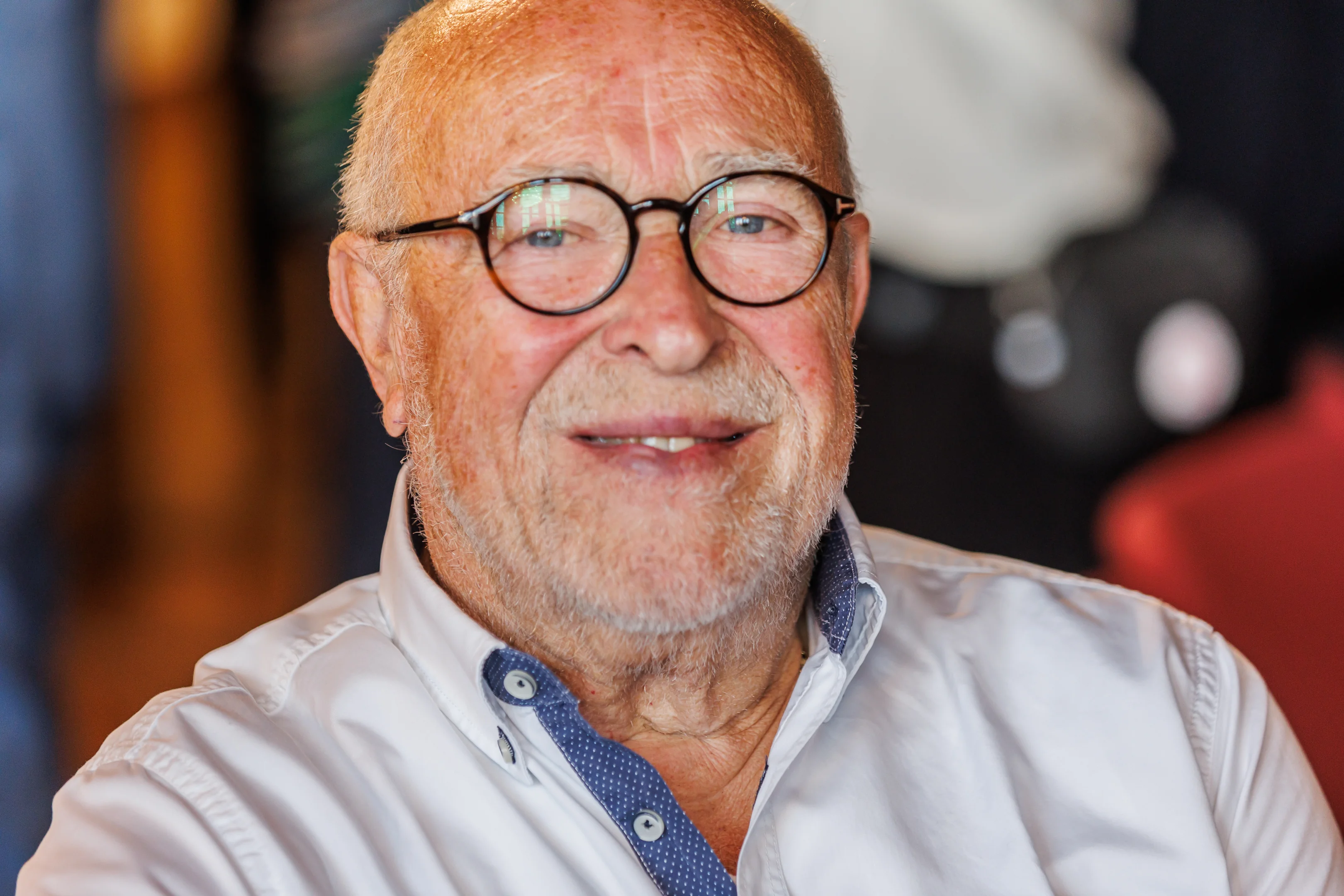
Image from Wikipedia
Image from Wikipedia
Manfred Ruge: The Influential Architect of Modern Erfurt
A Municipal Political Life in Times of Change
Manfred Otto Ruge, born on October 7, 1945, in Erfurt, is one of the most influential municipal political figures in Thuringia. From May 1990 to 2006, the CDU politician led the state capital of Thuringia through the transformative years following German reunification as its mayor. His career intertwines engineering knowledge, administrative practice, and political creativity into a biography closely linked to the urban development of Erfurt. ([de.wikipedia.org](https://de.wikipedia.org/wiki/Manfred_Ruge))
From Engineer to Political Leader
After graduating from the Heinrich Mann Secondary School in Erfurt, Ruge studied Theoretical Electrical Engineering at the Technical University of Ilmenau until 1970 and then worked as a graduate engineer in various divisions of the VEB Optima Office Machines Factory Erfurt. From 1987, he was in charge as the technical director of establishing a new oil mill at the VEB Erfurt Oil Mill. This technocratic background explains part of his later municipal political style: structured, practical, and focused on concrete urban development. ([de.wikipedia.org](https://de.wikipedia.org/wiki/Manfred_Ruge))
Ruge became politically active in 1989 during the Peaceful Revolution in East Germany. Initially non-partisan, he joined the Neues Forum and later the CDU. In 1990, he successfully ran for the office of mayor of Erfurt for the first time, subsequently being re-elected twice. Thus, an administrative chief rose to the top of the city, translating the dynamics of the turning point into concrete municipal decisions. ([de.wikipedia.org](https://de.wikipedia.org/wiki/Manfred_Ruge))
Erfurt's Transformation in the Post-Reunification Era
The city of Erfurt later explicitly honored Ruge's life achievements: in March 2017, he was awarded honorary citizenship. In the laudation, the city highlighted, among other things, the preservation and renovation of the old town, the founding of the University of Erfurt, the construction of sports halls and theaters, as well as the expansion of the economic site and transportation infrastructure. These development lines are the core of his municipal political legacy. ([erfurt.de](https://www.erfurt.de/ef/de/erleben/entdecken/ehrenbuerger/150171.html?utm_source=openai))
His work was characterized by a high intensity of labor. The city described him as a mayor who was on the move for Erfurt seven days a week, sometimes working up to 14 hours a day. At the same time, his tenure was also under the pressure of tough political conflicts, particularly around his transition to a newly created managing director position at the Erfurt municipal utilities, which sparked public criticism. This ambivalence is part of the historical placing of his career. ([erfurt.de](https://www.erfurt.de/ef/de/erleben/entdecken/ehrenbuerger/150171.html?utm_source=openai))
Tenure, Responsibility, and Controversies
After intense internal party disputes, Ruge did not run for re-election in the mayoral election in May 2006. His successor was Andreas Bausewein from the SPD. Subsequently, Ruge took on tasks as the 3rd managing director of Erfurt's municipal utilities and as managing director of TFB Thüringer Freizeit und Bäder GmbH, where he was also linked to the closure of the Erfurt Nordbad and the demolition of the listed entrance building. ([de.wikipedia.org](https://de.wikipedia.org/wiki/Manfred_Ruge))
Regardless of these conflicts, Ruge remained a visible figure in public life. He was a member of the board of the German Association of Cities and vice-president of the World Union of Friendship Cities. In 2023, he stepped down as chairman of the supporting association of the 103rd German Catholic Day Erfurt 2024 e. V. This reflects a life path that closely intertwines municipal administration, urban representation, and civil society engagement. ([de.wikipedia.org](https://de.wikipedia.org/wiki/Manfred_Ruge))
Family, Personality, and Connection to Erfurt
Ruge has been married to Barbara Ruge, née Kraft, since 1969 and has four children. This biographical continuity points to a long personal bond with Erfurt, which remained consistently visible in his political self-representation. The city later categorized him as a man whose work and love for Erfurt are inseparable. ([de.wikipedia.org](https://de.wikipedia.org/wiki/Manfred_Ruge))
The honorary citizenship awarded in 2017 thus marks not only a formal recognition but also a public account of his term in office. For the history of the city of Erfurt, Ruge represents the transition from East German administration to democratic municipal politics, urban renewal, and institutional building, but also debates about power, responsibility, and political culture in the 1990s and 2000s. ([erfurt.de](https://www.erfurt.de/ef/de/erleben/entdecken/ehrenbuerger/150171.html?utm_source=openai))
Context: Not a Musician, No Discography, No Current Music
The available Wikipedia text and online research clearly indicate that Manfred Ruge is a municipal politician and not an artist with a musical career. Therefore, there is neither a substantial discography nor any indications of albums, singles, tours, or musical projects in 2024 or 2025. A critical reception in the music press for him cannot be established either. ([de.wikipedia.org](https://de.wikipedia.org/wiki/Manfred_Ruge))
Additionally, official social media channels for Manfred Ruge could not be verified in the search. For a reliable, trustworthy artist page, this leads to the clear conclusion: there is no substantial reason for a music biography, no fan voices from social networks, and no fabricated media staging. The focus, therefore, remains on the verifiable political achievements. ([deutschlandfunkkultur.de](https://www.deutschlandfunkkultur.de/der-bordsteinkoenig-100.html?utm_source=openai))
Conclusion: A Political Biography with Lasting Urban Impact
Manfred Ruge signifies a shaping phase in the history of the city of Erfurt: for the breakthrough after 1989, for infrastructure, urban appearance, institutions, and the difficult art of municipal design in turbulent times. Especially because his career is marked by success, conflict, and public responsibility alike, it remains historically intriguing. Anyone wanting to understand Erfurt's development since reunification cannot overlook Ruge. ([erfurt.de](https://www.erfurt.de/ef/de/erleben/entdecken/ehrenbuerger/150171.html?utm_source=openai))
Those wanting to experience him live today primarily find a political witness and city explainer, not a musician on stage. His topic remains the city of Erfurt itself: its transformations, its breaks, and its successes. This is where the enduring relevance of this biography lies. ([erfurt.de](https://www.erfurt.de/ef/de/service/aktuelles/pm/2024/148515.html?utm_source=openai))
Official Channels of Manfred Ruge:
- Instagram: No official profile found
- Facebook: No official profile found
- YouTube: No official profile found
- Spotify: No official profile found
- TikTok: No official profile found
Sources:
- Wikipedia – Manfred Ruge
- State Capital Erfurt – The Post-Reunification Mayor: Manfred Otto Ruge
- State Capital Erfurt – Mayoral Election 2000 - Results
- State Capital Erfurt – Manfred Ruge Officially Farewell from the Office of Mayor
- State Capital Erfurt – Mayor Andreas Horn Sworn in at the City Council
- State Capital Erfurt – Citizen-Friendly and Modern – 25 Years of Citizen Service in Erfurt
- Catholic Day – Supporting Association Erfurt / Official Website
- Wikipedia: Image and text source